
...INDIE
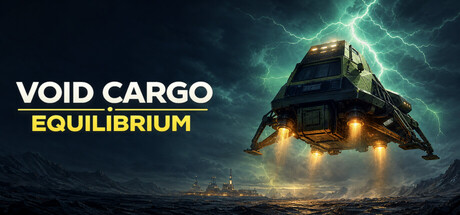
Void Cargo: Equilibrium
A first-person sci-fi cargo flight sim. Pilot a physics-driven lander, plan risky routes, manage fuel and heavy cargo, and save deliveries by repairing system failures mid-flight. Earn credits and upgrade your ship.
Developer
Publisher
Release
August 28, 2026
19 days ago
Steam Reviews
Mostly Positive20 reviews70.0%
Game contextLatest: IGF Team
| ContextThe evidence factors used to assess whether this game belongs on IndieGame.Fan. | Status | Notes Latest Contributor: IGF TeamEdit notes |
|---|---|---|
Updated: Jul 14, 2026Developer scaleThe operating scale of the game's developer. | ||
Updated: Jul 14, 2026Publisher scaleThe operating scale of the game's publisher. | ||
Updated: Jul 14, 2026Publisher statusHow the game's publishing relationship is classified. | ||
Updated: Jul 14, 2026Creative controlWho appears to retain creative control of the game. | ||
Updated: Jul 14, 2026Release statusWhether and how the game has been released. |
Media
8 itemsAbout the Game
Haul cargo. Survive the crisis.
Pilot a physics-driven lander between remote bases on a hostile world. Choose a contract, load the ship, check the fuel estimate, and commit to the flight. Heavy cargo pays more, but needs more thrust and makes every landing harder. Long hauls raise the payout further, if you can afford the fuel and make it all the way. When weather hits or a system fails, complete the delivery with whatever still works.
Commercial freight pays for repairs and upgrades. Special rift offerings keep the world stable. Every flight asks how much risk you can afford.
Fly a machine with weight
Control vertical, lateral, and yaw thrusters from the cockpit. Cargo and fuel add real mass. A heavier ship needs more thrust, takes longer to speed up or slow down, and is less forgiving on approach. Use limited boosters to gain speed or brake hard, or burn regular fuel to counter sideways drift.
Use the navigation display, downward landing camera, and live landing-speed readouts to manage the final approach. If the descent is beyond recovery, deploy the emergency chute. It slows the fall, but damages the ship, disables main thrust, and leaves only limited steering until touchdown.
Choose between optional 3D cockpit instruments and the classic screen-based HUD.
Keep flying when conditions turn hostile
Weather is part of the flight, not scenery. Dust storms and EM squalls cross the landscape. Meteor showers damage systems while you remain airborne. Gravimetric surges force low-flying pilots to climb or land. Rift cyclones can overpower lateral thrust. High-altitude wind rivers can carry you at speed beneath a particle layer that damages exposed hardware.
Hazards can degrade or disable individual thrusters, electronics, lights, and instruments. Emergency repairs may restore a failed system in a weakened state. Land at a base for normal service, or pay more for field repairs after an off-pad landing.
A crash ends the flight, not your progression. Recover at the nearest pad, refuel, and try again.
Choose your next haul
Compare light, medium, and heavy contracts by destination, distance, payout, and estimated fuel demand. Short jobs are safer and pay modestly. Long, heavy hauls pay sharply more, but fuel, repairs, and booster charges all come from the same earnings.
Upgrade thrust, fuel efficiency, tanks, boosters, cargo capacity, and wind resistance, or invest in lower service costs and higher payouts. A larger cargo bay unlocks heavier work and eventually lets you carry multiple contracts. Deploy persistent fuel caches between bases, or chase stray cargo crates when the extra credits are worth the fuel.
Keep the world in equilibrium
Each map has its own stability, which drains while you fly. Lower stability shortens the calm between major events. Ordinary freight earns credits, but only special offerings delivered into lightning rifts restore stability. Heavier offerings buy more time.
Every completed contract awards a Clearance Point. Bearer Record citations award additional points for milestones such as accepted cargo, successful offerings, clean base-to-base flights, and bases reached. Use Clearance Points to unlock new maps, each with its own landscape, bases, and hazards.
Contribution carriers periodically visit permanent anchorages and open temporary cargo terminals, creating new outbound work while they remain overhead.
Release features
Weighty first-person lander physics built around mass, inertia, thrust, fuel, and precise touchdowns
Independent vertical, lateral, and yaw control, plus throttle mode, limited boosters, drift braking, and an emergency chute
Navigation displays, fuel estimates, a downward landing camera, and live landing-speed readouts
Light, medium, and heavy cargo loads that change how the lander handles
Expanded cargo bays that unlock heavier loads and multiple simultaneous contracts
Commercial freight, rift offerings, deployable fuel-cache kits, and stray cargo crates worth chasing for extra credits
Safer short jobs and risky long hauls with sharply higher payouts
Failures that can disable specific thrusters, electronics, lights, and instruments, with mid-flight repairs, base service, and off-pad field service
Wind fields, dust storms, EM squalls, lightning rifts, geysers, meteor showers, gravimetric surges, rift cyclones, high-altitude wind rivers, industrial obstacles, and a damaging high-altitude layer
Per-map stability that controls how soon major events return
Upgrades for thrust, fuel efficiency, tank size, boosters, cargo capacity, wind resistance, service costs, and payouts
Persistent fuel caches that create your own refueling network between bases
A persistent Bearer Record with designations, statistics, citations, and Clearance Point rewards
Multiple unlockable maps, each with its own landscape, bases, and hazards
Periodic contribution-carrier visits with temporary outbound cargo terminals
A guided first flight that teaches the controls while keeping weight, fuel, terrain, and collision risk active
Optional 3D cockpit instruments or the classic screen-based HUD
Crashes return you to the nearest pad without erasing career progress
Gamepad, joystick, HOTAS, keyboard, and mouse support. Gamepad is recommended, and every build is tested on Steam Deck
YouTube Videos
Most viewedNo videos are available for this game yet.
User Comments
Join the conversation in this game’s community chat.