

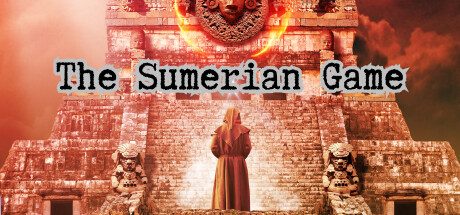
The Sumerian Game
A game of strategy and management. The Sumerian Game is one of the earliest computer games. Developed and programmed between 1963 and 1965, it was designed to teach children math, economy and ancient history. The source code was lost but now you can play it again.
Developer
Publisher
Release
July 15, 2024
2 years and 18 days ago
Steam Reviews
Positive44 reviews88.6%
Does this feel indie?
Vote based on whether this game feels indie to you. You can change your vote at any time. Results earn an IGF score after 10 accepted votes.No votes yet
Game contextLatest: IGF Team
| ContextThe evidence factors used to assess whether this game belongs on IndieGame.Fan. | Status | Notes Latest Contributor: IGF TeamEdit notes |
|---|---|---|
Updated: Jul 10, 2026Developer scaleThe operating scale of the game's developer. | ||
Updated: Jul 10, 2026Publisher scaleThe operating scale of the game's publisher. | ||
Updated: Jul 10, 2026Publisher statusHow the game's publishing relationship is classified. | ||
Updated: Jul 10, 2026Release statusWhether and how the game has been released. |
Media
9 itemsAbout the Game
Between 1962 and 1965, some classes of students in New York were involved in an innovative research project. The goal was to create a new teaching method without teachers, using powerful computers, automatic systems such as slide projectors, and the playback of recorded audio lessons.
At the conclusion of the lesson, a 300-baud modem connected a powerful mainframe, costing tens of millions of dollars at the time, to a teletype under the students' control. The teletype printed long texts on continuous paper rolls, forcing the students to make difficult decisions on how to manage scarce resources to feed the population and plant crops for the next season.
It was the Sumerian Game, the ancestor of all strategy, management, and city simulation games.

The Sumerian Game, which was lost for 60 years, has been rebuilt and is now playable. Manage your grain, store it to withstand harsh seasons and natural disasters, grow your population, and expand your settlements. Find the best balance between people and food, or between arable land and cultivated fields.
You have ten years to expand your city and save it from extinction. If the population drops to zero, the lesson is over.
Call the teacher.
At the conclusion of the lesson, a 300-baud modem connected a powerful mainframe, costing tens of millions of dollars at the time, to a teletype under the students' control. The teletype printed long texts on continuous paper rolls, forcing the students to make difficult decisions on how to manage scarce resources to feed the population and plant crops for the next season.
It was the Sumerian Game, the ancestor of all strategy, management, and city simulation games.
The Sumerian Game, which was lost for 60 years, has been rebuilt and is now playable. Manage your grain, store it to withstand harsh seasons and natural disasters, grow your population, and expand your settlements. Find the best balance between people and food, or between arable land and cultivated fields.
You have ten years to expand your city and save it from extinction. If the population drops to zero, the lesson is over.
Call the teacher.