

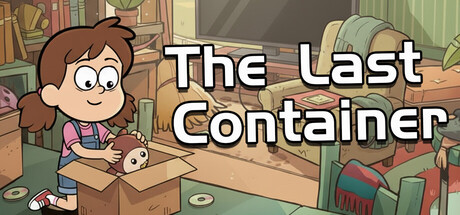
The Last Container
A narrative tile placement puzzle game about memory and grief. As a Memory Organizer, uncover the stories within lost belongings, arrange them into fitting containers, and guide the living toward acceptance, one carefully completed box at a time.
Does this feel indie?
Vote based on whether this game feels indie to you. You can change your vote at any time. Results earn an IGF score after 10 accepted votes.| ContextThe evidence factors used to assess whether this game belongs on IndieGame.Fan. | Status | Notes Latest Contributor: IGF TeamEdit notes |
|---|---|---|
Media
6 itemsAbout the Game
The Last Container
“We do not only pack away objects. We pack away what they meant.”
About This Game
The Last Container is a narrative tile-placement puzzle game about memory, grief, and quiet healing.
You play a “Memory Organizer” who helps families sort through belongings left behind by their loved ones.
Each object holds a fragment of life: a watch still ticking, a drawing hidden behind a frame, a letter never sent.
By observing, collecting, and arranging these story-filled items inside containers, you rebuild small worlds of memory and help the living find a gentler way to remember.
Gameplay
Observe and Uncover: Study objects to reveal hidden notes, photos, and recollections.
Arrange and Restore: Fit uniquely shaped pieces into containers with clear spatial rules.
Guide and Empathize: Speak with clients and make thoughtful choices that support reflection and closure.
Game Pillar
Empathy Through Interaction: Player actions of observing, collecting, and arranging function as quiet conversations with memory. The design favors sensitivity, patience, and reflection over speed.
Meaning in the Ordinary: Everyday objects carry story and emotion. Careful attention to small details reveals personal significance.
Healing Through Reconstruction: Completing a container mirrors the work of grief. Rebuilding becomes a practice of understanding, connection, and acceptance.
Handcrafted Visuals: Warm, tactile rooms and objects invite close looking. Textures feel lived in, and soft lighting lends a gentle, nostalgic tone.