
...INDIE
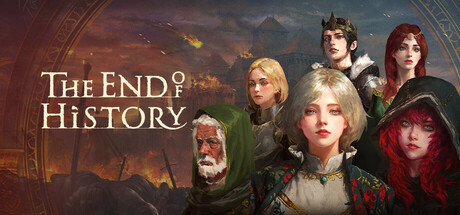
The End of History
A medieval sandbox. Serve a king, rule your own fief, or raise a claimant to the throne. Marry, scheme, rebel, claim a crown, or just watch. Every NPC in this world lives by the same rules you do, driving it toward collapse. Stopping it is your task; the higher you rise, the more ways you have.
Developer
Publisher
Release
December 10, 2025
281 days ago
Steam Reviews
Mixed389 reviews68.9%
Game contextLatest: IGF Team
| ContextThe evidence factors used to assess whether this game belongs on IndieGame.Fan. | Status | Notes Latest Contributor: IGF TeamEdit notes |
|---|---|---|
Updated: Jul 13, 2026Developer scaleThe operating scale of the game's developer. | ||
Updated: Jul 13, 2026Publisher scaleThe operating scale of the game's publisher. | The publisher meets the large-publisher threshold through its catalog and developer network. | |
Updated: Aug 13, 2026Release statusWhether and how the game has been released. | The game released with a separate publishing relationship. |
Media
18 itemsAbout the Game

You begin as a nameless wanderer. What you become is up to you.
Serve. Earn renown and enter the service of a kingdom (leading a company or a band of brigands? bring them with you). Prove yourself in its wars and rise through the ranks: the higher your rank, the more soldiers you command. Your lord will hand you orders, some of them unreasonable. Gain vassals of your own, and you can hand those orders down.
Rule. Distinguish yourself and receive a fief. Collect its taxes, develop its farms and trade, and invest in the libraries and institutions that keep its people content, or simply let it rot while you chase glory elsewhere. Grow strong enough as a lord of the realm, and you can raise your banner against your king and found a kingdom of your own.
Devote. Or claim nothing for yourself. Find someone worth believing in and spend your life raising them to a throne.
Love. Court the people you grow close to. Marriage brings children. They're born into your nation and your faction, carrying your bloodline into the next generation.
Watch. Or simply live, and watch history happen. The world does not wait for you.

Armies march on their stomachs. A long campaign needs porters as well as soldiers, and a war that drags on will drain your granaries before it drains your enemy's.
Prolonged war devastates the land. Fields go untended and public order breaks down. Run short on supplies and manpower, and rival kingdoms will swallow you whole. Recovery is slow, deliberate work: repair the walls, restore order, invest in farms and trade.
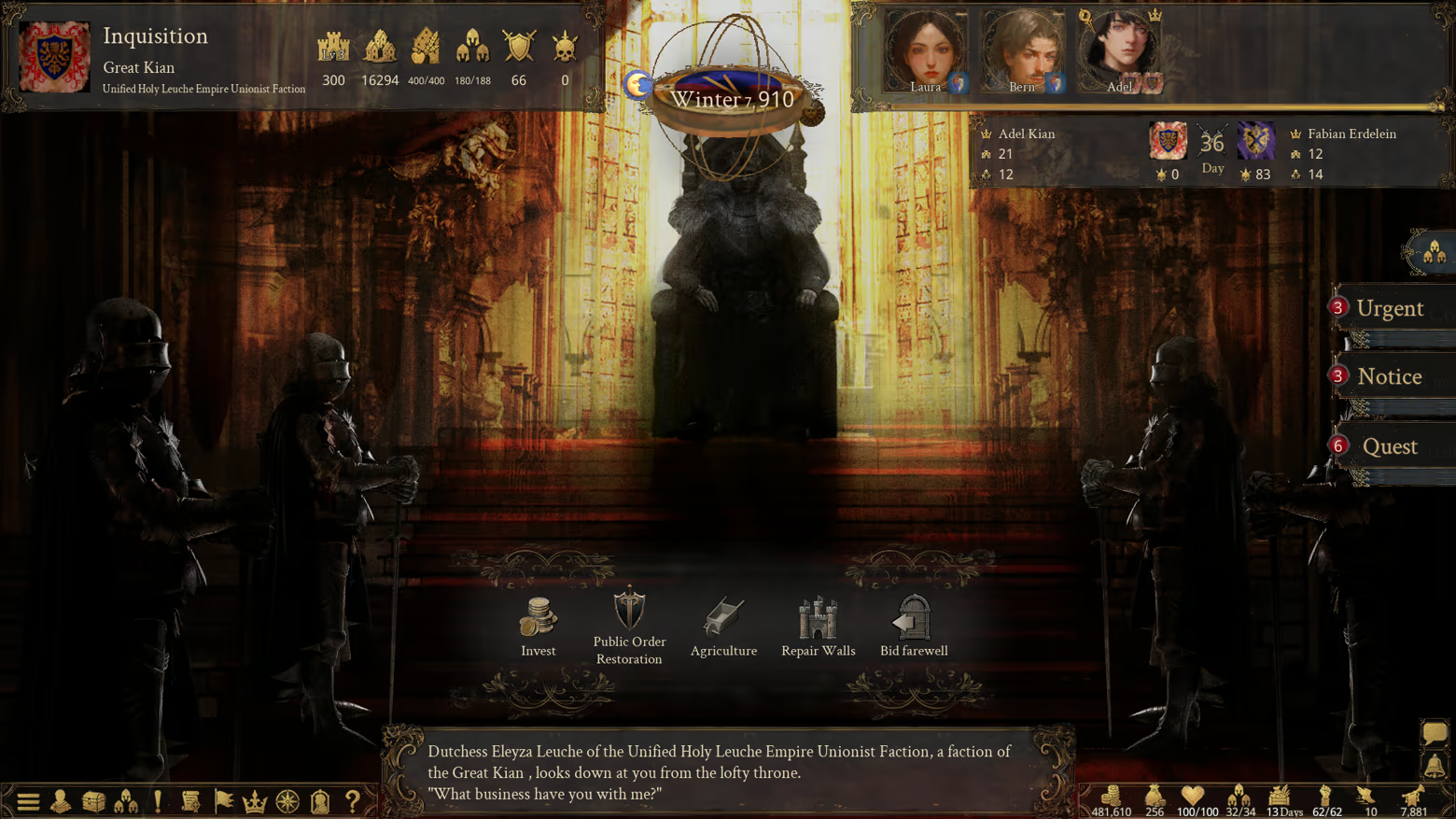
Become king, and the kingdom answers to you alone: set the crown's research, grant or strip the fiefs of your vassals, forge alliances, declare wars.
Research does not stand still. Wars that begin with swords and bows end in gunpowder, firearms, cannon wagons, and flying battleships. When the age of knights ends, you decide whether to lead the new age or refuse it.

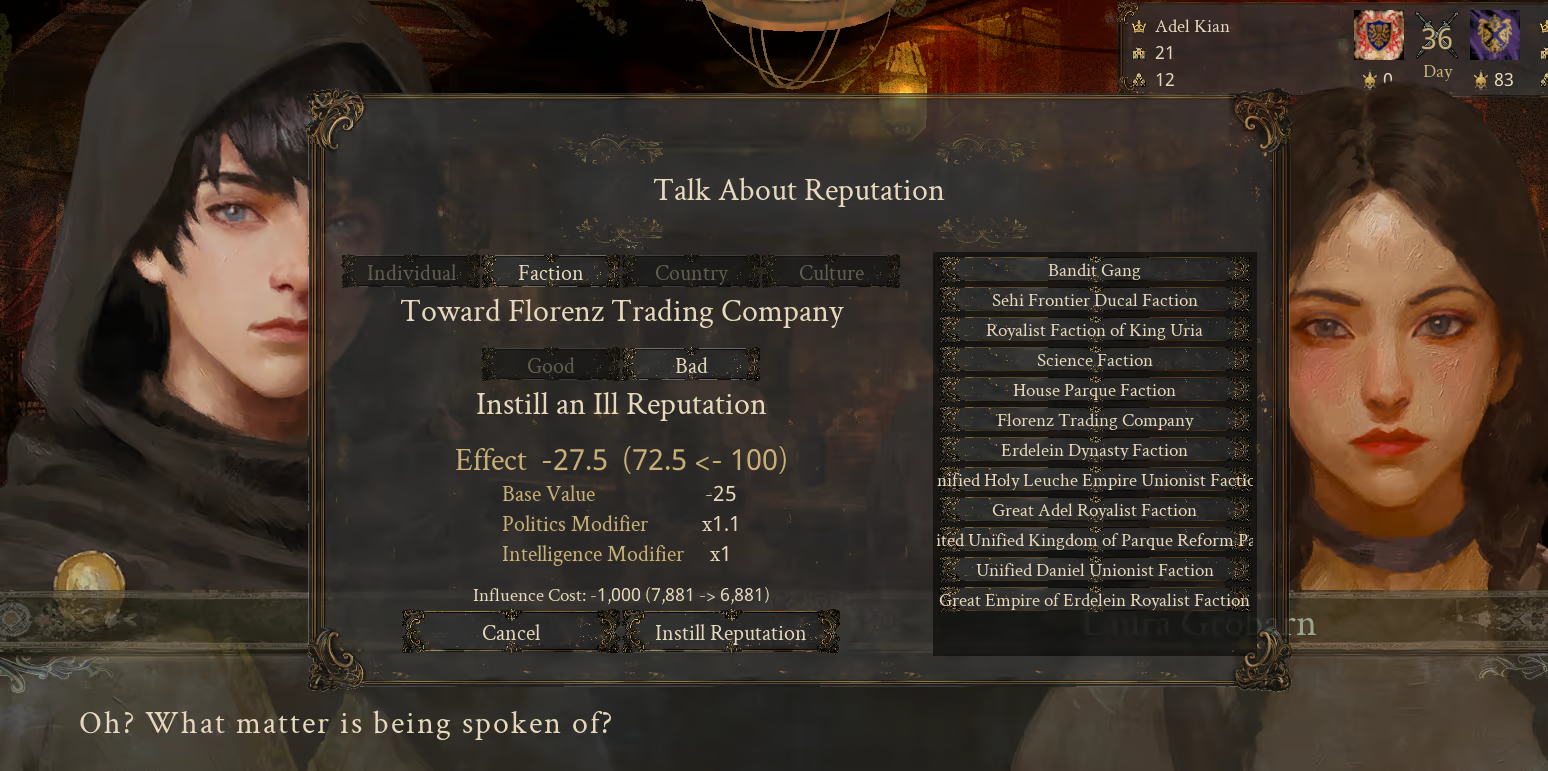
Every rumor in this world travels through conversation, and you can start one. Praise an ally to strengthen your faction. Repair your standing with resentful vassals. Whisper about a rival king to his own nobles and watch his realm split. Or broker peace between two crowns before the war starts at all.
Information moves the same way. Whoever you are hunting, whatever you are looking for, the trail starts with a drink in a tavern.

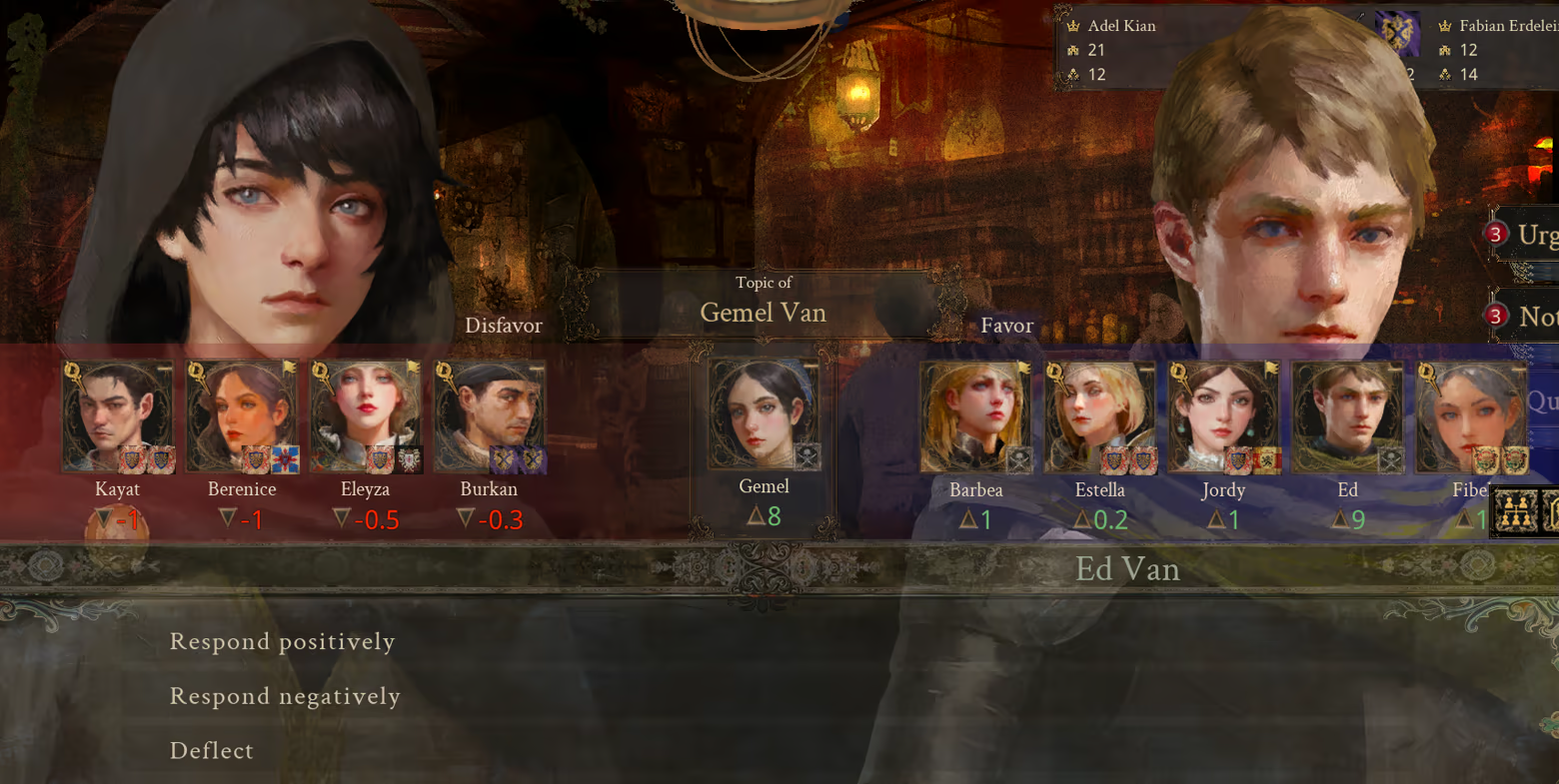
Everything above is also true for every NPC in the world. They earn renown, take service, win fiefs, found factions, marry, and rebel, whether you are watching or not. But not everyone here wants a crown. Each is chasing a goal of their own: some want power, others just want their nation, or their people, to endure.
Relationships work the same way too. Grow close to someone, and their friends warm to you while their enemies mark you as one of them. This web binds NPCs to each other just as it binds them to you.
And death is never the end of a story. Kill someone in battle and their family and closest friends will remember exactly who did it. Settle that vendetta with another death, and it doesn't end there: it becomes someone else's grudge to carry. The feud that ends your campaign may be several deaths removed from the one that started it, between people who never met.

You are the last of the long-lived. With his dying breath, the old man who raised you gave you your purpose: watch history, and keep it from ending. As wars drag on and grudges accumulate between nations and people, the world's Collapse advances. Let it reach its limit, and history itself ends.
The task itself never changes, whatever you choose to do with your life. What grows as you rise, as a vassal lord, a king, or the power behind one, is how much you can actually do about it: end wars through diplomacy, narrow the gap between your richest fiefs and your poorest, crush the warmongers by force, or quietly turn old enemies into friends. A world with full granaries, safe roads, libraries, and parliaments grows tolerant, and tolerance slows the Collapse.
The dilemma is that living in this world feeds it. The revenge you are owed advances the Collapse. The war that wins you a crown advances it faster. Every character around you is pursuing their own ends inside the same constraint, and their choices weigh as much as yours.
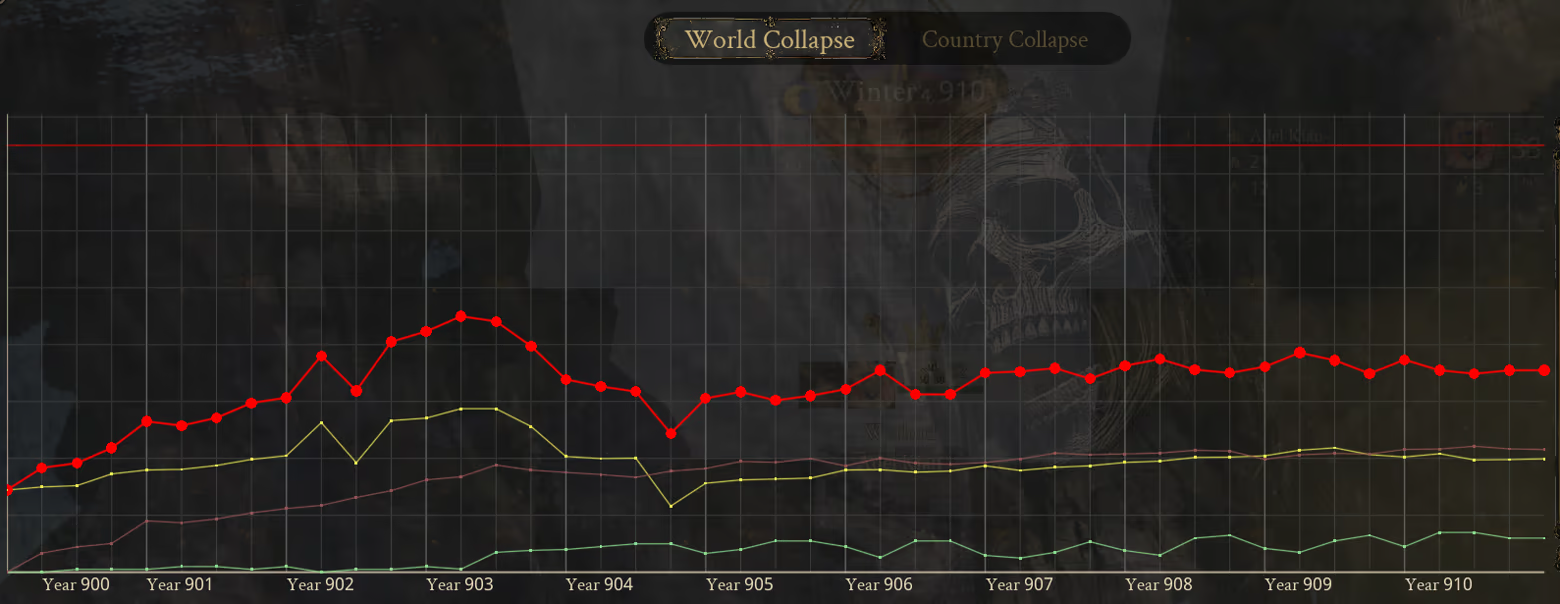

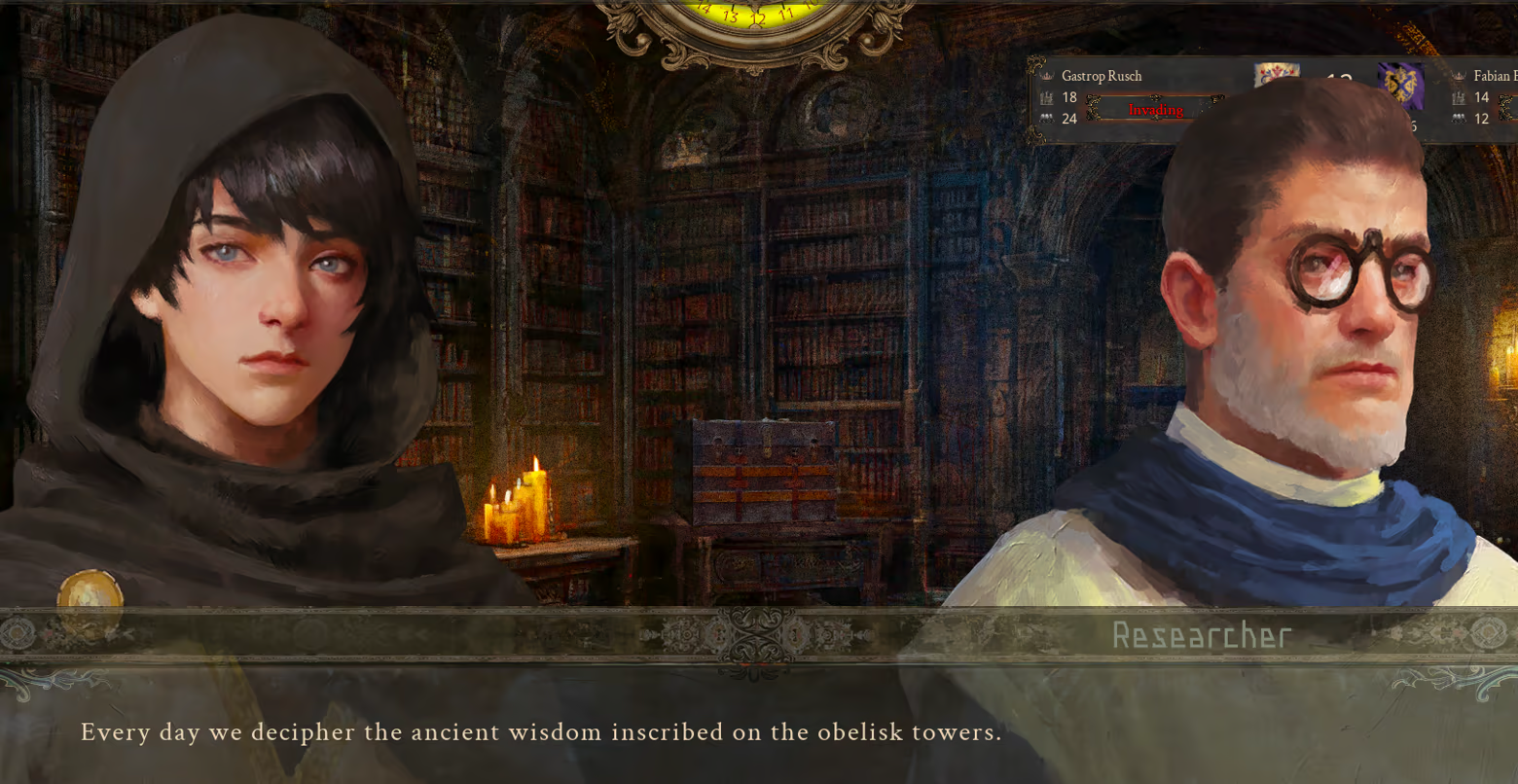
At the center of this world stands the Obelisk: a vast structure said to have once held limitless knowledge. What it is, and what it has to do with the Collapse, is yours to find out.

There is no predetermined scenario in this game.
The "history that is observed" through countless events becomes a story that is yours alone.
"My spouse died in battle. I went to war to avenge them, and by the end of my revenge, the world had collapsed."
"I never took a crown. I spent twenty years as the right hand of an NPC I believed in, and together we unified the continent."
"I executed every prisoner from every kingdom I conquered. Their families remembered. The declarations of vengeance never stopped coming."
These are all one-of-a-kind stories experienced by real players.
A different history unfolds every playthrough, leaving you thinking "I want to try this differently next time" even after dozens of hours.
YouTube Videos
Most viewedNo videos are available for this game yet.
User Comments
Join the conversation in this game’s community chat.