
...INDIE
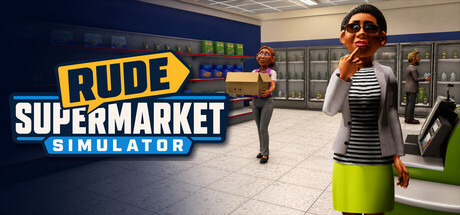
Rude Supermarket Simulator
Running the store is your job. Listening to the customers is your punishment. Rude Supermarket Simulator is a first-person supermarket management game for 1–4 players.
Developer
Publisher
Release
Coming Soon
Steam Reviews
No reviews yet
Game contextLatest: IGF Team
| ContextThe evidence factors used to assess whether this game belongs on IndieGame.Fan. | Status | Notes Latest Contributor: IGF TeamEdit notes |
|---|---|---|
Media
6 itemsAbout the Game
Running the store is your job. Listening to the customers is your punishment.
Rude Supermarket Simulator is a first-person supermarket management game for 1–4 players. Order products, carry boxes, stock shelves, set prices, run checkout, and clean up customer messes. Work alone or split the jobs with friends while customers fill the store with rude, strange, and completely unnecessary commentary.
DO THE WORK
Order products: Choose what the store needs and pay for delivery boxes using the store’s money.
Carry and stock: Move physical boxes through the store, assign products to compatible shelves, and keep the sales floor supplied.
Organize overstock: Move extra products into backroom storage so they are ready when shelves run low.
Set prices: Control each product’s store-wide selling price. Charge too much and customers may refuse to buy.
Run checkout: Scan and bag individual products, accept payments, and count out the correct cash change.
Clean the store: Deal with the messes customers leave behind before they affect the next shopper.
DEAL WITH THE CUSTOMERS
Customers enter the store, search for products, react to what they find, queue, pay, and leave.
Missing products, high prices, dirty floors, long waits, and checkout problems can damage an individual customer’s experience.
Customer outcomes feed into complaints, store reputation, and future customer traffic.
Customers also deliver a growing collection of voiced remarks that are rude, strange, personal, or simply unnecessary. There are no dialogue choices. You just have to hear them.
GROW THE BUSINESS
Unlock additional products and the fixtures required to sell them.
Purchase and place new shelves, refrigerators, freezers, registers, and other store equipment.
Hire physical cashiers, stockers, and cleaners who perform real store jobs.
Add backroom storage space as the operation grows.
Balance sales against product costs, wages, rent, utilities, equipment, and expansion purchases.
WORK ALONE OR TOGETHER
Play solo or share one online store with up to three other players.
Split up stocking, checkout, cleaning, ordering, pricing, and store organization however you want.
Money, inventory, customers, employees, progression, and the physical store are shared by the whole group.
The host’s store persists between sessions, including its fixtures, stock, unlocks, employees, reputation, and finances.
MAKE EVERY DAY COUNT
Prepare the store before opening and decide what needs attention first.
Keep checkout moving, shelves stocked, and messes under control while customers are inside.
Finish the remaining work after customer entry ends, then clock out when the team is ready.
Review sales, expenses, profit, customer outcomes, reputation changes, and stock problems in the end-of-day report.
You will not have enough time to do everything. Make meaningful progress, learn what went wrong, and come back with a better plan tomorrow.
Stock the shelves. Balance the books. Survive the customers.
YouTube Videos
Most viewedNo videos are available for this game yet.
User Comments
Join the conversation in this game’s community chat.