

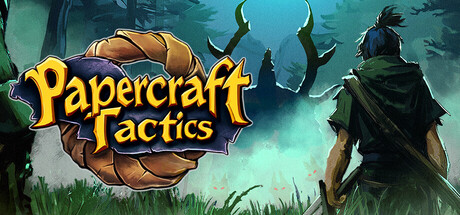
Papercraft Tactics
Arrange a living backpack of swords, potions, and trinkets to auto‑battle foes in a paper‑theater roguelike. Link items to trigger chain reactions, play tactical cards, and outsmart bosses run after run.
Does this feel indie?
Vote based on whether this game feels indie to you. You can change your vote at any time. Results earn an IGF score after 10 accepted votes.| ContextThe evidence factors used to assess whether this game belongs on IndieGame.Fan. | Status | Notes Latest Contributor: IGF TeamEdit notes |
|---|---|---|
Updated: Jul 14, 2026Developer scaleThe operating scale of the game's developer. | ||
Updated: Jul 14, 2026Publisher scaleThe operating scale of the game's publisher. | ||
Updated: Jul 14, 2026Publisher statusHow the game's publishing relationship is classified. | ||
Updated: Jul 14, 2026Creative controlWho appears to retain creative control of the game. | ||
Updated: Jul 14, 2026Release statusWhether and how the game has been released. |
Media
10 itemsAbout the Game
Papercraft Tactics is a run‑based, grid‑inventory roguelike with semi‑auto, turn‑based combat. You don’t just equip items—you wire them. Put swords next to potions, feed power from wands into shields, and rotate gear so inputs meet outputs. When a turn starts, your backpack comes alive: links fire, effects cascade, and enemies learn to fear tidy layouts.
Between rounds, draft new items, shop, and re‑arrange for ever‑bigger chains. During fights, play a handful of clutch cards to tweak the queue—double a hit, purge a debuff, or force a trigger now. The joy is in the planning: make a build that plays itself, then nudge it at the perfect moment.
All of this unfolds in a warm paper‑theater aesthetic—cut‑out characters, stage‑flat scenery, and a subtle handmade vibe.
The Core Loop
Loot & Draft new items with distinct inputs/outputs and tags (elemental, heavy, fragile, scaling, mimic).
Arrange items on a grid; rotate to align green inputs and yellow outputs; place for adjacency bonuses.
Battle (auto‑resolve, turn‑based): At turn start, linked items trigger in order, adding Actions to the queue (Attack, MagicCast, Recover, Block, InflictEffect, Special).
Play Cards to manipulate the queue (duplicate, remove, reset exhausted, trigger now) or inflict effects.
Progress through events, shops, and escalating encounters; refine the build; beat the boss; try a new hero.
Heroes, Stats & Resistances
Pick from distinct heroes with unique passives and stat profiles. Core stats include HP, SP, MP, STR, DEF, MND, SPR, Evade. Resistances cover physical types (Slash, Thrust, Strike, Projectile, Spell) and elements (Fire, Ice, Wind, Thunder, True). Synergies are predictable and readable—builds reward planning, not twitch.
Key Features
Living Backpack: Your grid inventory is the build. Rotate, link, and position to forge synergies.
Chain‑Reaction Combat: On OnPlayerTurnStart, items trigger and fill the action queue—combos you designed go off automatically.
Tactical Card Play: Limited‑use cards let you push the queue—DuplicateNextAction, ClearAttacks, ResetExhaustedCards, and more.
Readable Triggers: Clear events like OnSlashHit, OnReceiveFireDamage, OnEvade power effects without hidden rules.
Scaling & Mimic Items: Effects that grow from HP/MP/SP or copy linked behavior to extend chains.
Run‑Based Variety: Shops, events, elites, and bosses with different resist profiles make placement matter.
Paper‑Theater Style: Hand‑drawn lines, cut‑out layers, and cozy stage lighting.
No Dead Turns: Even defense builds feel active via blocks, conversions, and smart queue tweaks.
Learnable Depth: Simple pieces, deep compositions—like building a Rube Goldberg machine that fights back.