
Nekruba
Nekruba is a puzzle game inspired by 2048, focused on spatial decisions, variable board sizes, and a contemplative atmosphere where every merge matters.
Does this feel indie?
Vote based on whether this game feels indie to you. You can change your vote at any time. Results earn an IGF score after 10 accepted votes.| ContextThe evidence factors used to assess whether this game belongs on IndieGame.Fan. | Status | Notes Latest Contributor: IGF TeamEdit notes |
|---|---|---|
Media
7 itemsAbout the Game
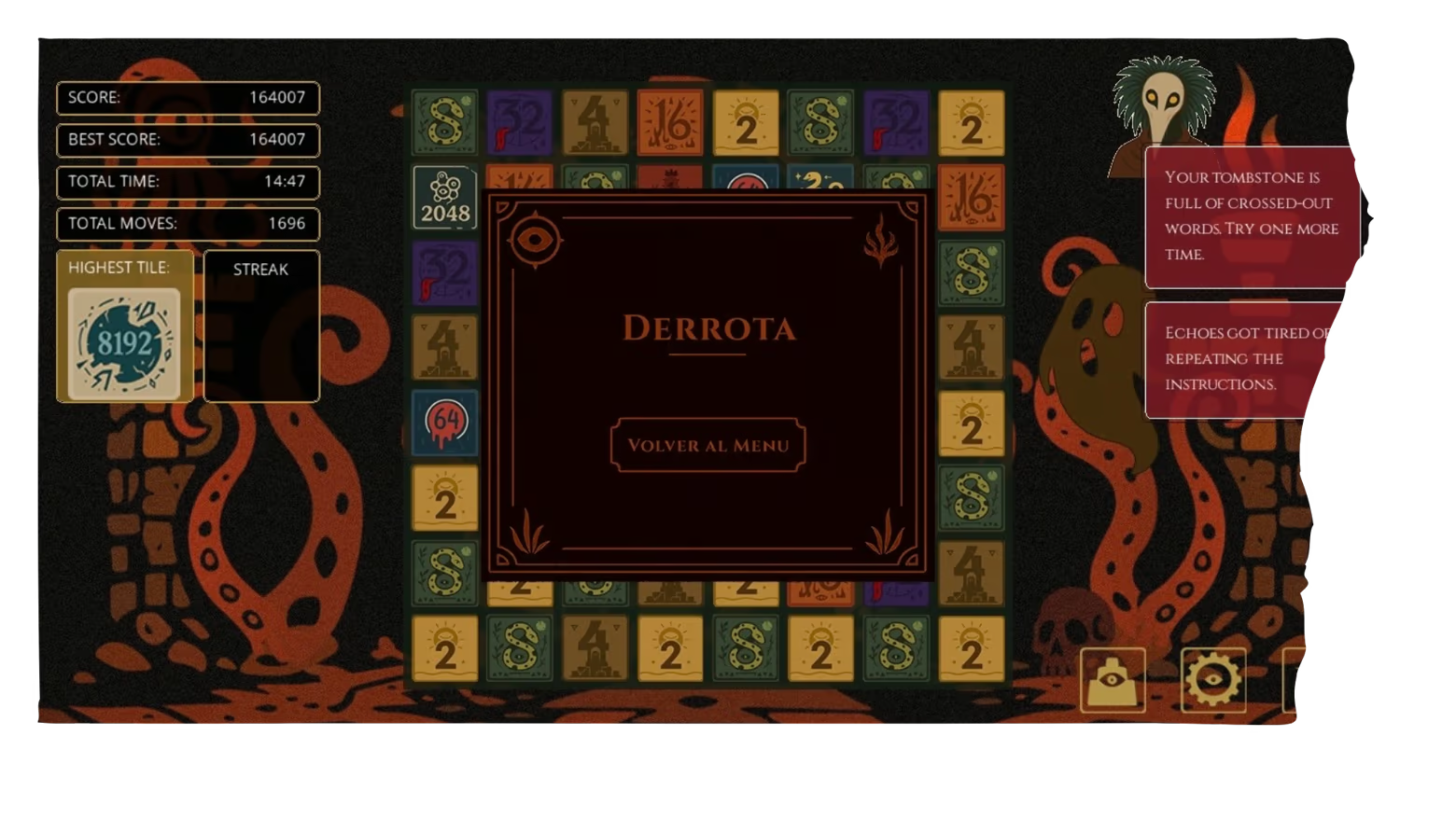
Nekruba uses the classic 2048 mechanic: combining tiles by sliding them to progress. The player can choose between different board sizes, which changes the available space and the pressure of each decision.
On this well-known foundation, the game builds a different experience. Visual effects, dialogue, and a narrative accompany each match, introducing a context that unfolds as the board fills.
A voice appears during the game, commenting on the player’s moves, recalling previous attempts, and reacting to the player’s persistence.
Each attempt moves the board forward… but also something else.
The game does not punish mistakes, but it does not ignore them either. Reaching the end can mean closing a cycle. Failure is also a form of conclusion: becoming another memory within the system.