

Maximilian Spee
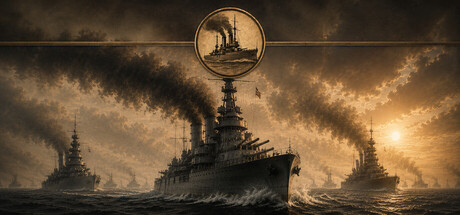
A World War I strategy game where you command fleets, manage trade and logistics, and fight for dominance across 50 colonial ports.
Does this feel indie?
Vote based on whether this game feels indie to you. You can change your vote at any time. Results earn an IGF score after 10 accepted votes.| ContextThe evidence factors used to assess whether this game belongs on IndieGame.Fan. | Status | Notes Latest Contributor: IGF TeamEdit notes |
|---|---|---|
Updated: Jul 13, 2026Developer scaleThe operating scale of the game's developer. | ||
Updated: Jul 13, 2026Publisher scaleThe operating scale of the game's publisher. | ||
Updated: Jul 13, 2026Publisher statusHow the game's publishing relationship is classified. | ||
Updated: Jul 13, 2026Creative controlWho appears to retain creative control of the game. | ||
Updated: Jul 13, 2026Release statusWhether and how the game has been released. |
Media
8 itemsAbout the Game
The game takes place on a vast map covering the Indian and Pacific Oceans, with 50 colonial ports, each offering unique bonuses and strategic value.
You can choose to play as one of seven nations:
British Empire
French Republic
German Empire
Russian Empire
Empire of Japan
Kingdom of Italy
United States of America
Each faction commands ships, planes, and ground forces, supported by a deep logistics system that includes:
Ship equipment and customization
Trade and resource management
Port development and expansion
In addition to faction warfare, the game world features pirate bases, naval missions, and a research system that expands your military and economic capabilities.
With its blend of strategy, logistics, and WWI-era naval combat, the game challenges you to balance historical authenticity with engaging gameplay.
----------------------------------------------------------
Developer’s Note
The reason I created this project was the arrogance and sense of superiority that some people hold over others.
I lived through the war in Mariupol, a month under blockade, and then a new beginning in Norway, where I started a new chapter in a large international company. But even there, I faced another kind of struggle — discrimination. Migrants were humiliated and segregated, separated from their Norwegian colleagues into isolated zones, regardless of their status or role in the team. It was there that I came to a painful realization: sometimes the greatest “crime” in life is simply being born in the wrong country.
The war changed me. I began to think more about family and the future. And I also felt the need to create this project. I hope you will find it meaningful and interesting.