
...INDIE
Ishin no Arashi
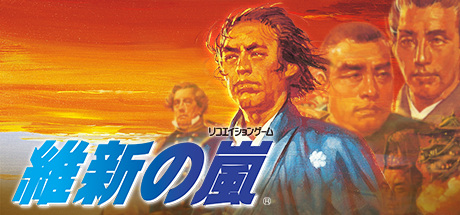
"Ishin no Arashi" was released in 1988. Its story takes place at the end of the Tokugawa Shogunate. Players become one of the 12 key figures of the time, like Ryouma Sakamoto, Kaishuu Katsu, and Takamori Saigou.
Developer
Publisher
Release
March 21, 2017
9 years and 181 days ago
Steam Reviews
Mixed13 reviews46.2%
Game contextLatest: IGF Team
| ContextThe evidence factors used to assess whether this game belongs on IndieGame.Fan. | Status | Notes Latest Contributor: IGF TeamEdit notes |
|---|---|---|
Updated: Jul 14, 2026Developer scaleThe operating scale of the game's developer. | KOEI TECMO GAMES CO., LTD. is part of publicly traded Koei Tecmo. | |
Updated: Jul 14, 2026Publisher scaleThe operating scale of the game's publisher. | KOEI TECMO GAMES CO., LTD. is part of publicly traded Koei Tecmo. | |
Updated: Jul 14, 2026Publisher statusHow the game's publishing relationship is classified. | KOEI TECMO GAMES CO., LTD. is part of publicly traded Koei Tecmo. | |
Updated: Jul 14, 2026FundingThe known source of funding behind the game. | KOEI TECMO GAMES CO., LTD. has public-company or outside-equity ownership. | |
Updated: Jul 14, 2026Release statusWhether and how the game has been released. | The developer released this title with public-company or outside-equity ownership in place. |
Media
6 itemsAbout the Game
To commemorate Kou Shibusawa's 35th anniversary, the "Kou Shibusawa Archives" will be opened in the Steam Store. Here we will revive popular previously released titles.
In this fourth round of releases, we offer "Ishin no Arashi," released in 1988. Its story takes place at the end of the Tokugawa Shogunate. Players become one of the 12 key figures of the time, like Ryoma Sakamoto, Kaishu Katsu, and Takamori Saigo. They guide Japan to freedom by using persuasion and force to unify the 13 domains under one ideal, whether that is loyalty to the shogunate or the emperor, or even to the public opinion.
In this fourth round of releases, we offer "Ishin no Arashi," released in 1988. Its story takes place at the end of the Tokugawa Shogunate. Players become one of the 12 key figures of the time, like Ryoma Sakamoto, Kaishu Katsu, and Takamori Saigo. They guide Japan to freedom by using persuasion and force to unify the 13 domains under one ideal, whether that is loyalty to the shogunate or the emperor, or even to the public opinion.
YouTube Videos
Most viewedNo videos are available for this game yet.
User Comments
Join the conversation in this game’s community chat.