

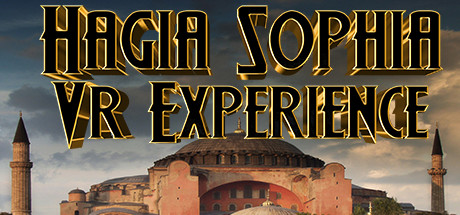
Hagia Sophia VR Experience
Hagia Sophia literally Holy Mosque of Hagia Sophia the Grand, and formerly the Church of Hagia Sophia, is a Late Antique place of worship in Istanbul, designed by the Greek geometers Isidore of Miletus and Anthemius of Tralles.
Developer
Publisher
Release
May 21, 2021
5 years and 74 days ago
Steam Reviews
Mostly Positive11 reviews72.7%
Does this feel indie?
Vote based on whether this game feels indie to you. You can change your vote at any time. Results earn an IGF score after 10 accepted votes.No votes yet
Game contextLatest: IGF Team
| ContextThe evidence factors used to assess whether this game belongs on IndieGame.Fan. | Status | Notes Latest Contributor: IGF TeamEdit notes |
|---|---|---|
Updated: Jul 14, 2026Developer scaleThe operating scale of the game's developer. | ||
Updated: Jul 14, 2026Publisher scaleThe operating scale of the game's publisher. | ||
Updated: Jul 14, 2026Publisher statusHow the game's publishing relationship is classified. | ||
Updated: Jul 14, 2026Creative controlWho appears to retain creative control of the game. | ||
Updated: Jul 14, 2026Release statusWhether and how the game has been released. |
Media
16 itemsAbout the Game
This Experience allows you to navigate through Hagia Sophia, and by holding Historical Objects, it allows you to listen to Mosaic, History and Quran.
After the Fall of Constantinople to the Ottoman Empire in 1453, it was converted to a mosque by Mehmed the Conqueror. The patriarchate moved to the Church of the Holy Apostles, which became the city's cathedral. Although some parts of the city had fallen into disrepair, the cathedral had been maintained with funds set aside for this purpose, and the Christian cathedral made a strong impression on the new Ottoman rulers who conceived its conversion. The bells, altar, iconostasis, ambo and baptistery were removed and relics destroyed. The mosaics depicting Jesus, his mother Mary, Christian saints, and angels were eventually destroyed or plastered over. Islamic architectural features were added, such as a minbar (pulpit), four minarets, and a mihrab – a niche indicating the direction of prayer (qibla). From its initial conversion until the construction in 1616 of the nearby Sultan Ahmed Mosque, aka the Blue Mosque, it was the principal mosque of Istanbul.
After the Fall of Constantinople to the Ottoman Empire in 1453, it was converted to a mosque by Mehmed the Conqueror. The patriarchate moved to the Church of the Holy Apostles, which became the city's cathedral. Although some parts of the city had fallen into disrepair, the cathedral had been maintained with funds set aside for this purpose, and the Christian cathedral made a strong impression on the new Ottoman rulers who conceived its conversion. The bells, altar, iconostasis, ambo and baptistery were removed and relics destroyed. The mosaics depicting Jesus, his mother Mary, Christian saints, and angels were eventually destroyed or plastered over. Islamic architectural features were added, such as a minbar (pulpit), four minarets, and a mihrab – a niche indicating the direction of prayer (qibla). From its initial conversion until the construction in 1616 of the nearby Sultan Ahmed Mosque, aka the Blue Mosque, it was the principal mosque of Istanbul.