

COLOR
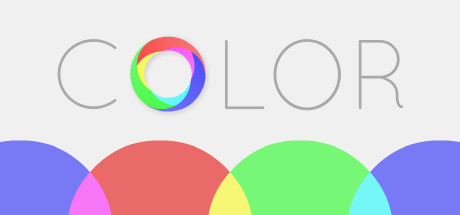
COLOR invites you to tackle the physics of light by using additive color theory to solve over 100 solo and co-op puzzles, each designed to challenge you with deep, intertwining puzzle mechanics and skill-based gameplay, all presented in a sleek, minimalistic art style.
Developer
Publisher
Release
Coming Soon
Steam Reviews
No reviews yet
Does this feel indie?
Vote based on whether this game feels indie to you. You can change your vote at any time. Results earn an IGF score after 10 accepted votes.No votes yet
Game contextLatest: IGF Team
| ContextThe evidence factors used to assess whether this game belongs on IndieGame.Fan. | Status | Notes Latest Contributor: IGF TeamEdit notes |
|---|---|---|
Updated: Jul 14, 2026Developer scaleThe operating scale of the game's developer. | ||
Updated: Jul 14, 2026Publisher scaleThe operating scale of the game's publisher. | A separate publisher is listed without a proven bounded regional or service-only role. | |
Updated: Jul 14, 2026Release statusWhether and how the game has been released. |
Media
13 itemsAbout the Game
COLOR is a unique puzzle game from Dual Studios which revolves around the manipulation of color through the additive color system.
In each level you must use and manipulate the colors at your disposal to match the color of the goal and therefore progress to the next stage. There are a number of different puzzle mechanics that will be explored throughout the game:
The game follows the basic idea that light is made up of waves. This light can be interpreted as different colors depending on how long the waves are. There are three primary colors that come from this: Red, Green and Blue. These primary colors can then be added together to create secondary colors: Yellow, Cyan and Magenta. These six colors can then be mixed and separated to make each other, thus creating the complex puzzle mechanic that the game is built around.
Trailer music by Jamie Molloy
In each level you must use and manipulate the colors at your disposal to match the color of the goal and therefore progress to the next stage. There are a number of different puzzle mechanics that will be explored throughout the game:
- Primary single colors
- Secondary additive colors
- Primary colors through subtraction
- Grey areas that you must avoid
- Switches that change elements in the level
- The combination of all colors to produce white
- Blank areas that can save a color to re-use later on
- Dual snake control
- And more...
The game follows the basic idea that light is made up of waves. This light can be interpreted as different colors depending on how long the waves are. There are three primary colors that come from this: Red, Green and Blue. These primary colors can then be added together to create secondary colors: Yellow, Cyan and Magenta. These six colors can then be mixed and separated to make each other, thus creating the complex puzzle mechanic that the game is built around.
Trailer music by Jamie Molloy