

Circuit Defense
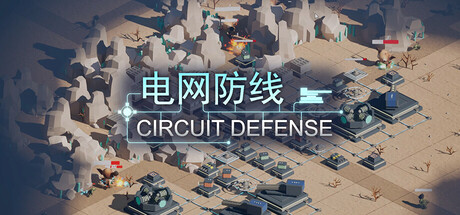
Circuit Defense is a grid-based tower defense game. Build power lines, connect functional modules, and energize your turrets to create a high-efficiency network. Master your layout and optimize module synergies to survive the relentless enemy swarm.
Does this feel indie?
Vote based on whether this game feels indie to you. You can change your vote at any time. Results earn an IGF score after 10 accepted votes.| ContextThe evidence factors used to assess whether this game belongs on IndieGame.Fan. | Status | Notes Latest Contributor: IGF TeamEdit notes |
|---|---|---|
Media
5 itemsAbout the Game
This is a strategy game rooted in classic tower defense. Enemies approach your base from all four directions, following fixed paths toward the center. Your goal is to construct defensive towers around the base and stop them before they break through your defenses.
What sets this game apart from traditional tower defense is its core mechanic: the Power Grid system. The rules are simple:
Power lines expand outward from the base, forming a grid.
All building modules must be connected to the grid in order to function.
The more powered connectors a building has, the stronger it becomes. Each additional connector grants a 100% attack speed bonus.
Under these rules, how you design and expand your power grid becomes the heart of the strategy. Power lines themselves occupy tiles on the map, so you need to carefully manage space while extending electricity to your buildings. You also need to plan ahead and leave connectors available for future expansion.
Different towers have different numbers of connectors, and each additional powered connection provides a significant boost. Because of this, fully powering a single tower using cheap power lines is often more effective than simply building more towers.
However, buildings placed along enemy paths can be attacked and destroyed. This means your power lines are vulnerable as well, and protecting your grid becomes an important part of your defensive strategy.
In addition to the power grid system, the game also includes several supporting mechanics to deepen the gameplay:
Building Synergies – Some modules provide bonuses to nearby structures, such as buff modules with area effects or resource modules that gain benefits when placed next to each other.
Active Skills – For example, Overclock, which temporarily boosts the global attack speed of all towers.
Fog of War (Experimental) – Some towers can shoot farther than they can see. Enemies must be inside revealed areas to be targeted, so radar modules are needed to expand your vision and unlock the full potential of long-range defenses.
In this game, success isn’t just about building more towers. Carefully planning your power grid, managing space, and protecting critical connections are the keys to building an effective defense.