

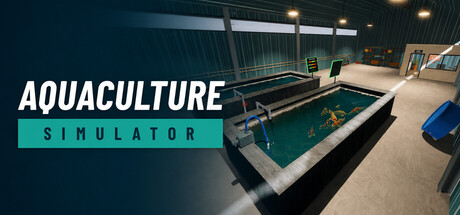
Aquaculture Simulator
Trout pay by the kilo. Koi pay by the eye. A young koi only half-shows what it will become — seeing it early, and culling the rest, is the job.
Developer
Publisher
Release
Coming Soon
Steam Reviews
No reviews yet
Does this feel indie?
Vote based on whether this game feels indie to you. You can change your vote at any time. Results earn an IGF score after 10 accepted votes.No votes yet
Game contextLatest: IGF Team
| ContextThe evidence factors used to assess whether this game belongs on IndieGame.Fan. | Status | Notes Latest Contributor: IGF TeamEdit notes |
|---|---|---|
Media
15 itemsAbout the Game
Two economies share one facility. They do not share a strategy.
but predictable — as long as the water holds. Trout demand cold, heavily
oxygenated water, and they do not forgive mistakes.
conformation — scored from pond quality to show quality. A single fish can be
worth a hundred trout, or almost nothing.
pond quality at the bottom, show quality at the top, and a price estimate
stretched across everything in between. The younger the fish, the wider the
guess.
You have to commit anyway. Keep it, and it eats — every day, for up to two years,
at your cost. Cull it, and you may have thrown away the best fish in the building.
The estimate only sharpens as the fish matures, and by then you have already paid
to find out.
That is the game: not raising koi, but deciding which ones are worth raising.
mail, a calendar, and banking. A buyer names a price and a pickup date. Accept or
decline.
Accepted jobs land in the calendar. No Sunday pickups. When the day comes, net
the fish, move them into transport tubs, and get them to the loading bay — but not
too early. Tub water is bad water, and the fish know it. Miss a date and you pay
twice: in money, and in reputation.
your fish sell or not. Every mediocre koi you keep out of hope is a mouth you feed
for nothing. The economy does not force you to cull — it simply makes sentiment
expensive.
There is no publisher and no team. It launches in Early Access because the
systems are done but the balance is not — and balance is the one thing a solo
developer cannot test alone. What you see is what there is, and it will grow with
the people who play it.
Trout are volume
You raise rainbow trout to weight and sell them by the kilo. The margin is thinbut predictable — as long as the water holds. Trout demand cold, heavily
oxygenated water, and they do not forgive mistakes.
Koi are judgement
A koi's value is not in its weight. It is in grade — pattern, colour, bodyconformation — scored from pond quality to show quality. A single fish can be
worth a hundred trout, or almost nothing.
Reading a young koi
A young koi does not show you what it will become. It shows you a range:pond quality at the bottom, show quality at the top, and a price estimate
stretched across everything in between. The younger the fish, the wider the
guess.
You have to commit anyway. Keep it, and it eats — every day, for up to two years,
at your cost. Cull it, and you may have thrown away the best fish in the building.
The estimate only sharpens as the fish matures, and by then you have already paid
to find out.
That is the game: not raising koi, but deciding which ones are worth raising.
Water is the constraint
Every tank runs on the same three pressures:- Oxygen has a corridor. Too little suffocates. Too much causes gas
bubble disease. You pay for aeration by the kilowatt-hour. - Ammonia climbs when you overfeed. Every handful of food is a bet
against the water. - Temperature is a single master control — and it is what separates your
two species. Warm for koi, cold for trout.
Customers write to you
Orders arrive as email on the facility PC — a small in-game operating system withmail, a calendar, and banking. A buyer names a price and a pickup date. Accept or
decline.
Accepted jobs land in the calendar. No Sunday pickups. When the day comes, net
the fish, move them into transport tubs, and get them to the loading bay — but not
too early. Tub water is bad water, and the fish know it. Miss a date and you pay
twice: in money, and in reputation.
The pressure is the point
Electricity for aeration. Feed. Water changes. Fixed costs that arrive whetheryour fish sell or not. Every mediocre koi you keep out of hope is a mouth you feed
for nothing. The economy does not force you to cull — it simply makes sentiment
expensive.
Made by one person
Aquaculture Simulator is built by a single developer in Germany, in Godot 4.There is no publisher and no team. It launches in Early Access because the
systems are done but the balance is not — and balance is the one thing a solo
developer cannot test alone. What you see is what there is, and it will grow with
the people who play it.